
A Month-End Close Checklist for Small Businesses
Seven steps that turn a month of bank activity into numbers you can trust.
Written by Shubham Jain
Updated on: 1 min read Editorial Standards
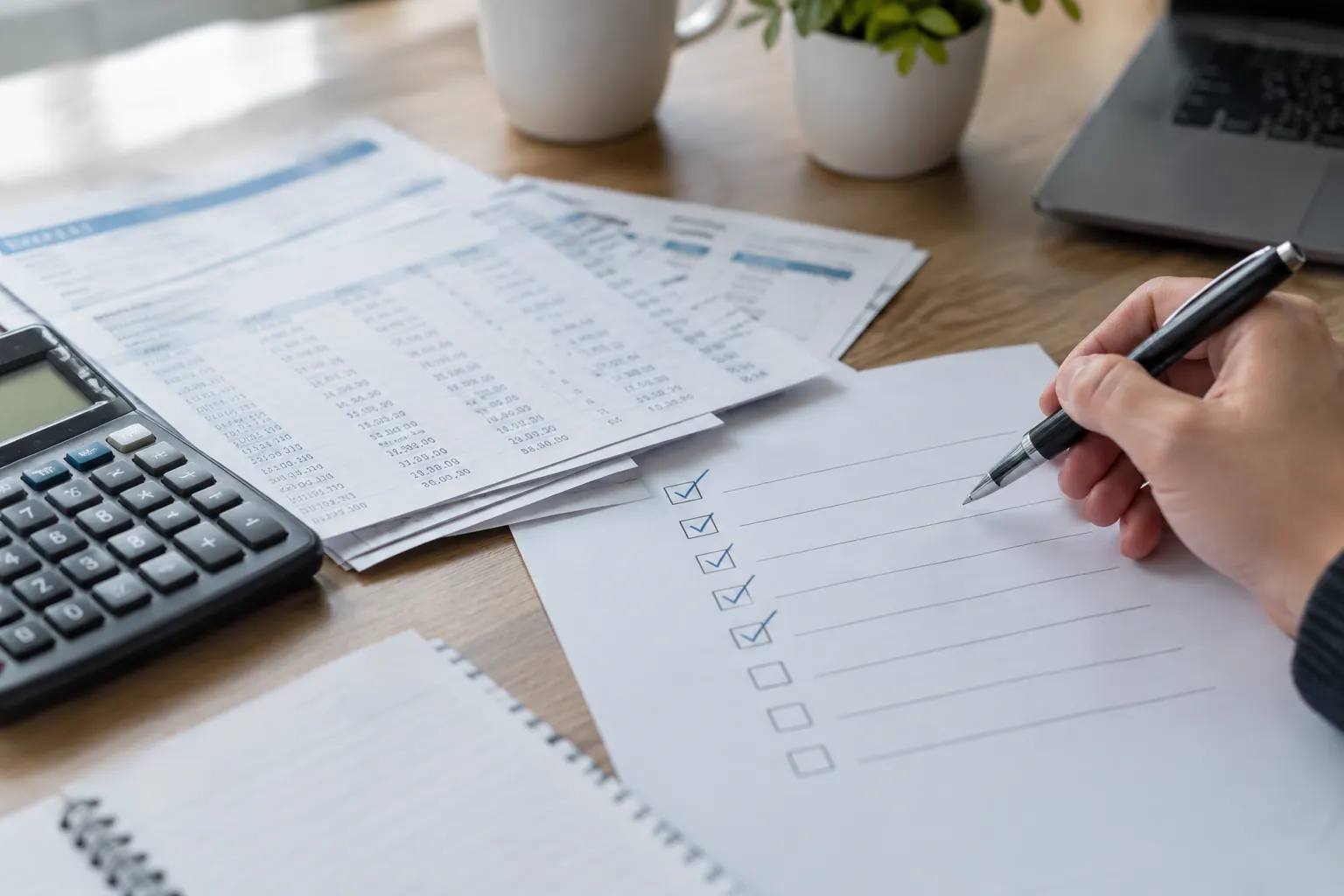
Table of Contents
“Closing the books” sounds like something large companies do. For a small business it is a short routine that keeps small errors from becoming a year-end project.
Why close monthly
A monthly close gives you comparable numbers, catches duplicate or missing transactions while you still remember them, and means your tax preparer starts with finished records.
The checklist
- Collect statements. Every bank, card, loan and payment processor account.
- Categorize every transaction. Nothing should remain uncategorized without a note.
- Reconcile each account. The balance in your books should equal the statement balance, with any differences explained.
- Review receivables and payables. Follow up on unpaid invoices and confirm bills are real and not duplicated.
- Post payroll. Record wages, employer taxes and amounts withheld but not yet paid.
- Scan the statements. Compare this month’s profit and loss with last month’s and ask about anything that jumped.
- Lock the period. Set a closing date so later edits cannot change reports you have already shared.
Signs the close is slipping
- A growing balance in “Ask my accountant” or uncategorized expenses.
- Reconciliations that are more than a month behind.
- Payroll liabilities that never return to zero.
- A cash balance in the books that no longer matches the bank.
If two or more of these sound familiar, a clean-up followed by a regular close will save time by tax season.
Disclaimer
This blog is for general informational purposes only and does not constitute tax, legal, financial or investment advice. Laws, regulations, rates and procedures may change over time and may vary based on individual circumstances.
While SaveTaxs Business makes reasonable efforts to keep the information accurate and up to date, readers should verify applicable rules with official authorities or consult a qualified professional before making decisions based on this information. Read our Editorial Standards.